


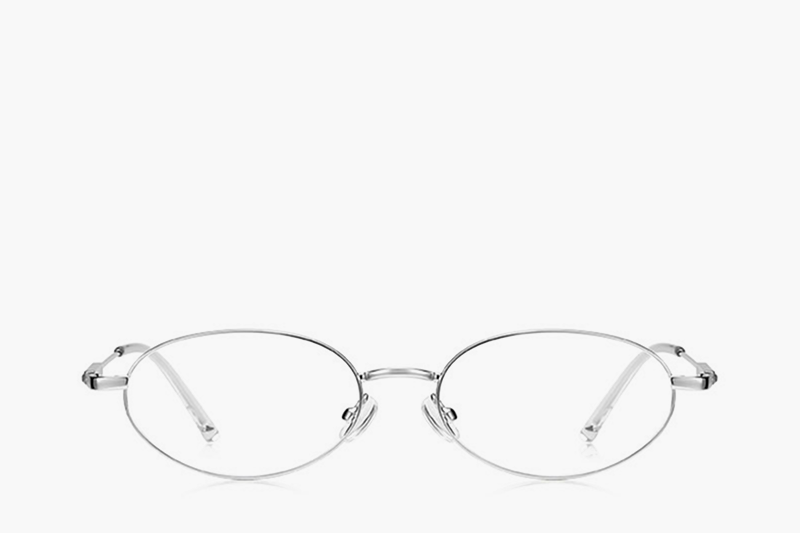


A well-fitted pair of glasses does more than correct vision—it improves daily comfort and overall quality of life.
As we age, vision naturally changes. Around age 40, many people develop presbyopia, making it harder to focus on close objects. Everyday tasks like reading, using a phone, or working on a computer can become more difficult and tiring.
What Are Bifocal Lenses?
Bifocal lenses are a long-established solution for presbyopia, designed to support both near and distance vision in a single lens.
- Upper portion: distance vision
- Lower portion: near vision
These zones are separated by a visible dividing line, which is the defining feature of traditional bifocal lenses.

Lens Design and Appearance
Traditional bifocal lenses feature a visible dividing line, often in a half-moon shape.
While effective, this design has some aesthetic limitations:
- The line is clearly noticeable
- It can affect the overall look of the glasses
- It may appear more conventional or dated
For users concerned with appearance, this is an important consideration.
Field of Vision and User Experience
Bifocal lenses provide segmented vision:
- Clear distance vision in the upper area
- Clear near vision in the lower area
- Limited clarity in intermediate distances
Users may need to adjust head position or look through specific areas of the lens. Some may also notice a slight “image jump” or reduced comfort for mid-range tasks like computer use.
How Do Bifocal Glasses Work?
Bifocal glasses combine two prescriptions in one lens:
- Upper part for distance
- Lower part for near tasks
They eliminate the need to switch between different pairs of glasses, offering a practical everyday solution. However, the separation between zones means the transition is not completely seamless, especially for intermediate distances.
Standard Bifocal vs. Invisible Bifocal
Different designs address both functional and aesthetic needs:
Standard Bifocal
- Visible dividing line (typically half-moon)
- Clearly separated vision zones
- Direct switching with slight “image jump”
Invisible Bifocal
- No visible dividing line; Faint boundary may appear under specific lighting
- Smoother transition between zones
- More natural vision and a cleaner appearance
Which One Should You Choose?
Your choice depends on your priorities:
-
Choose Standard Bifocal if you prefer clear separation and easy adaptation
- Choose Invisible Bifocal if you value aesthetics and smoother visual transitions
Sprzelook offers Invisible Bifocal lenses that combine functionality with a refined look. Simply select this option when placing your order.
